This guide breaks down the process into manageable steps. Start with the essentials (Internet/Wi-Fi) and add layers of safety and comfort as needed. You don't need to do it all at once.
The Foundation: Connection
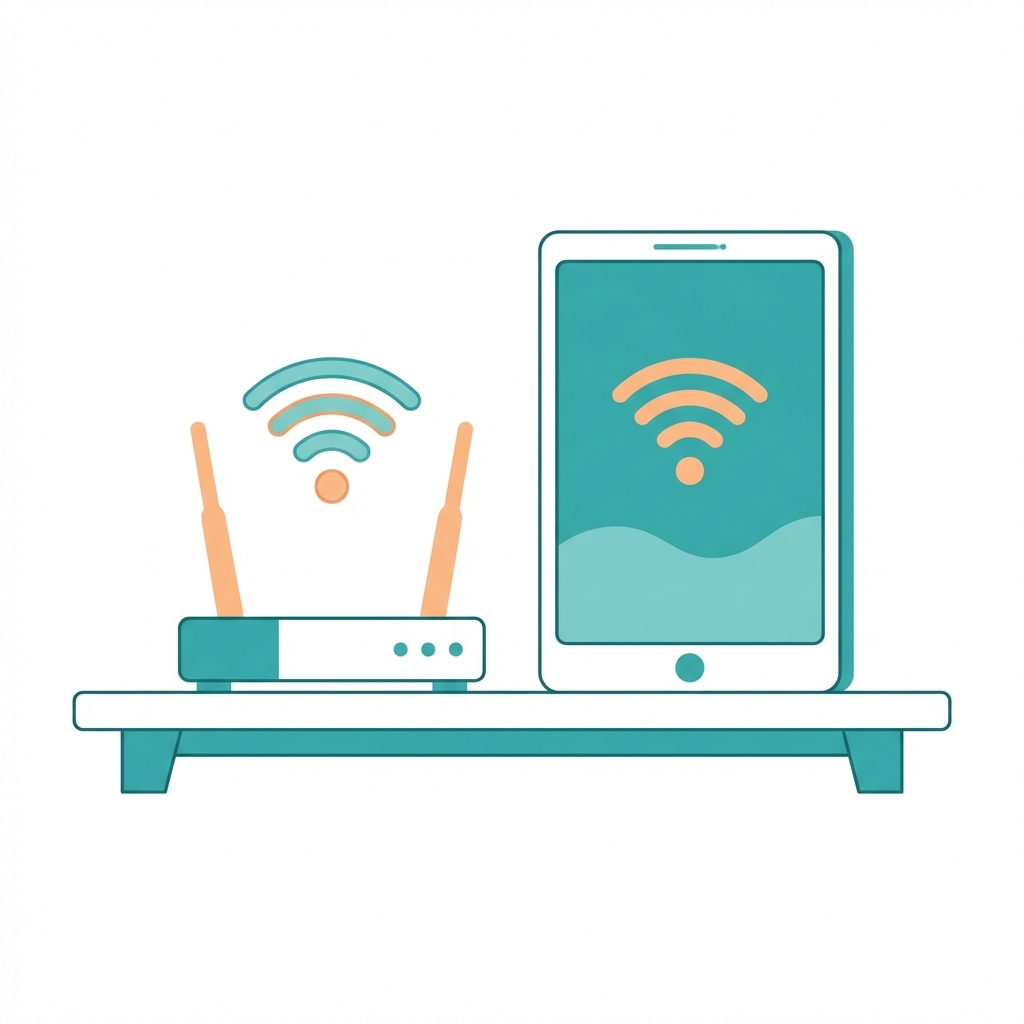
Before adding smart devices, ensure the home has a reliable internet connection. Most devices require Wi-Fi to send alerts and allow remote monitoring.
Essential for cameras and voice assistants.
Needed for setup and receiving alerts (for caregivers).
Layer 1: Essential Safety
Start with devices that prevent accidents and provide immediate help. These are the "must-haves" for aging in place.
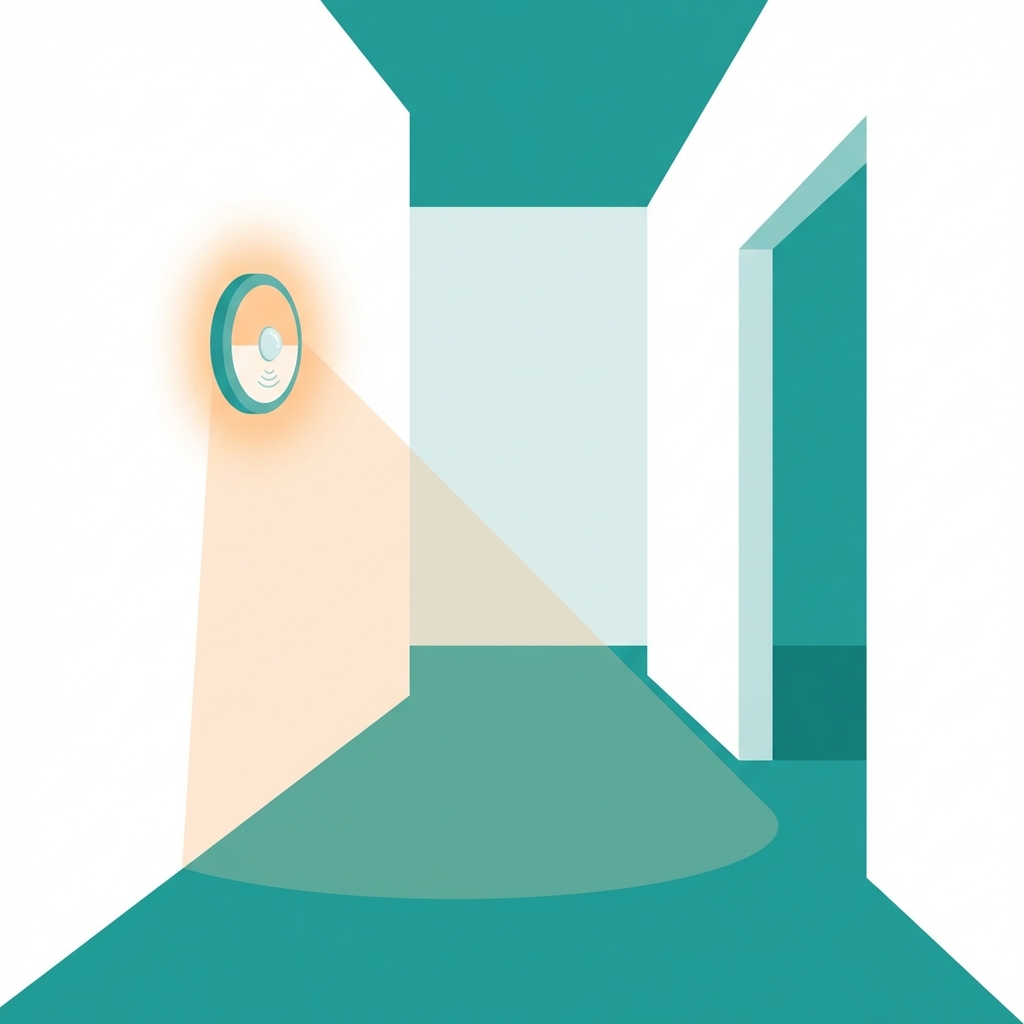
Motion-sensor lights for hallways and bathrooms to prevent falls.
Hands-free calling for help (e.g., Echo Dot) without reaching for a phone.
Why start here?
Falls are the #1 risk. Addressing lighting and communication solves the most immediate dangers.
Layer 2: Security & Reassurance
Add devices that help seniors feel secure in their home and allow families to check in without being intrusive.
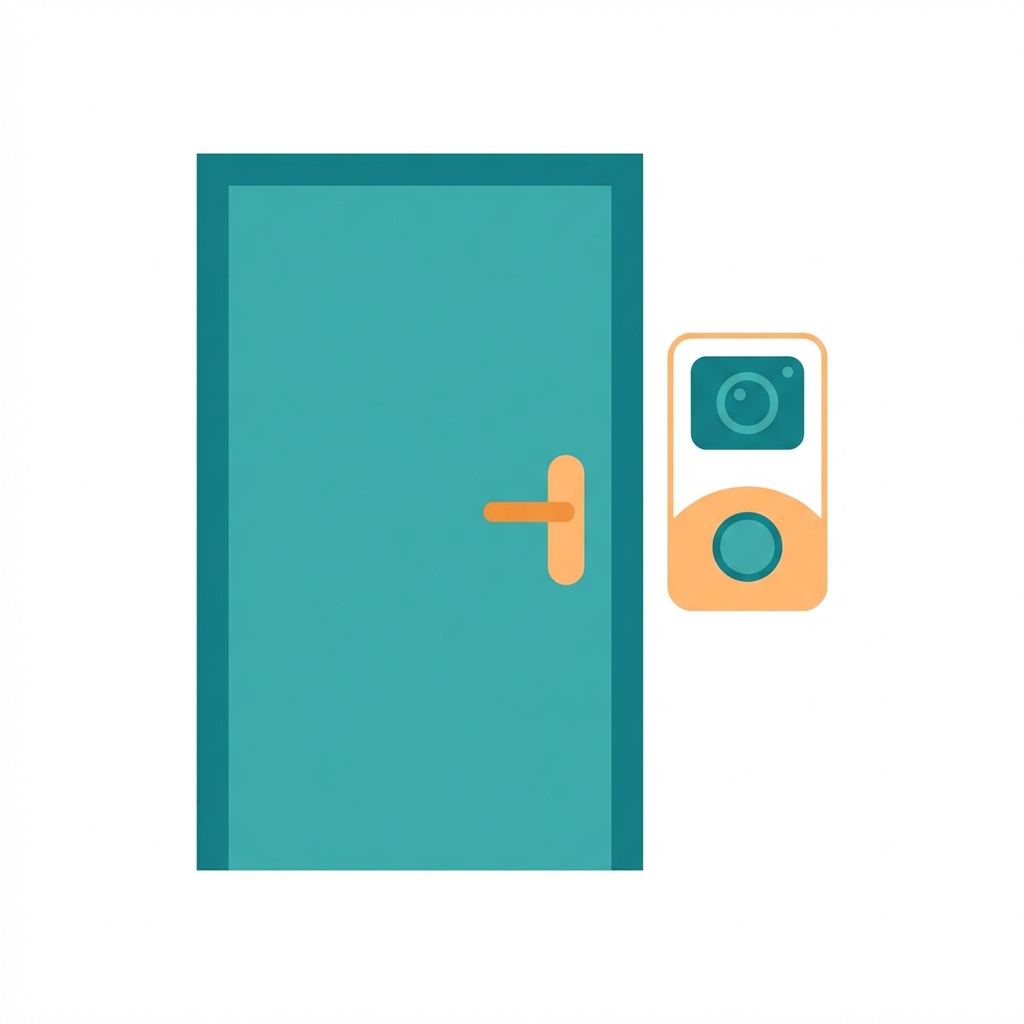
See who is at the door without opening it.
Keyless entry for caregivers and emergency services.
Layer 3: Health & Comfort
These advanced devices manage daily routines, ensuring medication compliance and a comfortable environment.
Automated temperature control for safety.
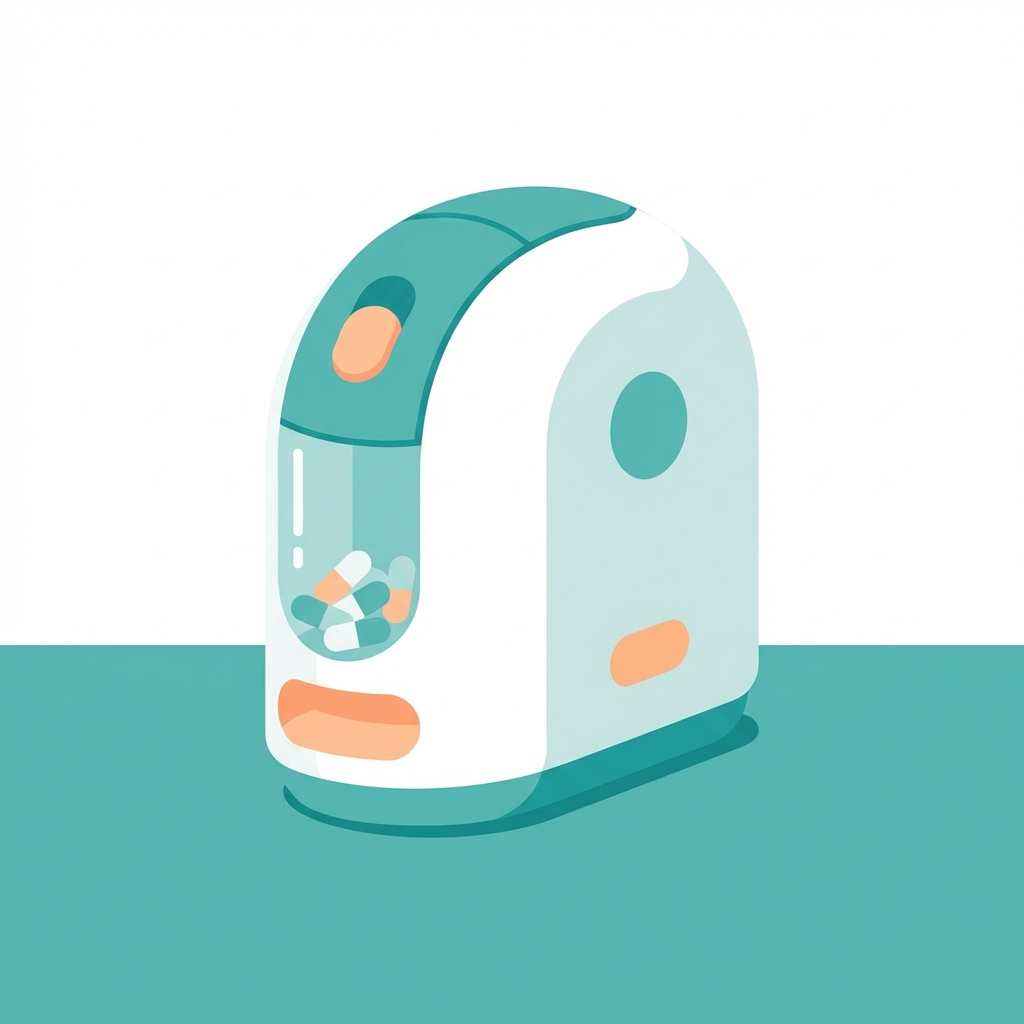
Automated medication management and reminders.
Ready to Begin?
You don't have to do it alone. Explore our detailed guides for each category to find the best specific devices.