If you live in the UK, you’ve probably heard about the "Digital Switchover" or the "Landline Switch-off." It sounds technical, but it’s actually quite simple. The old copper wires that have carried our phone calls for over 100 years are being retired. By January 2027, all home phones will work over the internet instead.
For most people, this just means plugging their phone into a different socket on the wall. But if you rely on a personal alarm (a red button pendant or a careline unit), this change is critical.
The Simple Analogy: The "Translator" Problem
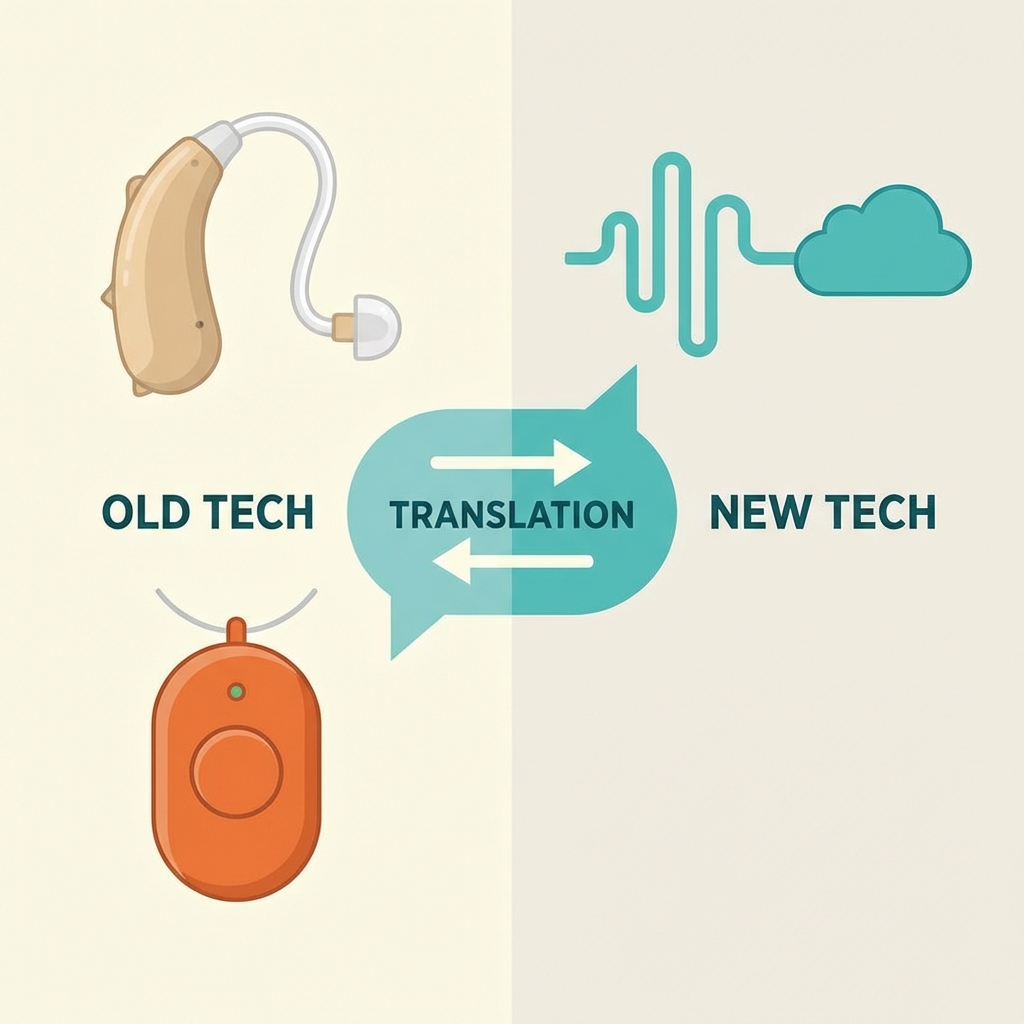
Imagine your current personal alarm speaks a specific language—let's call it "Old Copper." For years, the telephone network spoke "Old Copper" too, so when you pressed your button, the emergency center understood you perfectly.
The new digital phone lines speak a different language: "Internet."
If you plug your old alarm into the new line without checking first, it’s like trying to speak French to someone who only understands Japanese. The alarm might try to call out, but the emergency center might hear garbled noise or silence.
The Goal: Ensure your alarm is "bilingual" or get a new device that speaks "Internet."
The Two Big Risks (And How to Fix Them)
There are two main things you need to be aware of when your home switches to Digital Voice.
1. The Power Cut Problem
The Issue: Old landlines were magic—they worked even if the electricity went out. Digital phone lines work like your TV; if the power goes out, the phone line goes dead.
The Risk: If you fall during a power cut, your alarm cannot call for help.
2. The Connection Jitter
The Issue: Digital lines compress sound to send it over the internet quickly. This is great for voice, but terrible for the specific data tones old alarms use.
Your 3-Step "Safety Check" Plan
Don't wait until 2027. Do these three things this week to ensure you are safe.
-
1
The "Who provides what?" Check
Your Phone Company: They provide the line. Tell them you have a health alarm so they don't switch you without warning.
Your Alarm Company: They provide the device. They are the ones who need to send you a new box if yours is too old.
-
2
The "Socket" Check
Look at where your alarm is plugged in.
- Old Way: Plugged into the small white wall socket.
- New Way: Plugged into the back of your Internet Router (hub).
⚠️ If you have been switched to digital but your alarm is still in the wall socket, it may not be connected!
-
3
The Test Button
This is the most important step. Press your pendant button today.
- Tell the operator you are just testing.
- Ask: "Was the line clear? Did my details pop up instantly?"
- If they struggled to hear or identify you, you need a digital upgrade immediately.
The Good News: Why Digital is Better
Change is annoying, but this upgrade is actually a good thing for senior safety in the long run.
Faster Alerts
Digital alarms connect to the monitoring center in seconds, not the 20-40 seconds of old dial-up lines.
Self-Checking
New digital alarms "talk" to the center automatically. If battery is low or it's unplugged, they know immediately.
Conclusion
The copper wire switch-off is happening, but it doesn’t have to be scary. It is simply a modernization of the network. By making one phone call to your alarm provider today, you can ensure that help is always just a button press away.