Have you noticed that sleep just isn’t what it used to be?
Perhaps you find yourself waking up at 3:00 AM, staring at the ceiling, unable to drift back off. Or maybe you feel a heavy fog of sleepiness hit you at 2:00 in the afternoon, only to feel restless again when bedtime actually arrives.
If this sounds familiar, you aren’t alone. Millions of seniors struggle with sleep quality. For years, we’ve been told it’s just a normal part of "getting older."
But what if the problem isn't just your age? What if the problem is your lightbulbs?
In 2026, a quiet revolution is happening in senior homes around the world. It has nothing to do with complicated gadgets or confusing apps. It’s about returning to something very natural that we’ve lost in modern life: the rhythm of the sun.
This is an introduction to Circadian Lighting—a simple, technology-assisted way to help your body remember when it’s time to be energized, and when it’s time to rest.
The Analogy: Your Body’s Internal Grandfather Clock
Imagine your body has a beautiful, antique grandfather clock inside it. This clock controls everything: when you feel hungry, when your mood lifts, and, most importantly, when you feel sleepy.
When we were young, that clock kept perfect time. Why? Because we spent hours outside. The bright morning sun wound the clock up tight for the day, and the setting sun signaled it to slow down for the evening.
As we age, two things happen that disrupt this delicate timepiece:
- The Glass Gets Cloudy: Our eyes change. The lenses thicken and yellow slightly. This means less daylight actually reaches the brain to "wind the clock." In fact, a 70-year-old’s eyes receive significantly less light than a 20-year-old’s eyes.
- We Stay Indoors: We spend more time inside, under artificial lights that are the wrong brightness at the wrong time.
Most standard lightbulbs in our lamps today are stuck on one setting: "Mid-Day Sun."
Imagine if the sun stayed high noon bright until 10:00 PM at night. You’d never feel tired. That is exactly what sitting under a standard reading lamp at 9:00 PM does to an aging brain. It tricks your internal grandfather clock into thinking it’s still lunchtime, preventing your body from producing melatonin—the natural hormone you need for deep sleep.
The Solution: Lighting That Mimics Mother Nature
This is where Circadian Lighting (sometimes called "biodynamic lighting") comes in. It’s a fancy term for a very simple concept: indoor light that changes color and brightness throughout the day, just like the sun outside.
These smart bulbs act like a gentle mechanic for your internal clock.
- In the Morning: The bulbs shine a crisp, bright, slightly bluish-white light. This is like a gentle bugle call for your brain. It suppresses sleep hormones and tells your body, "Start the day!" This helps combat morning grogginess.
- In the Afternoon: The light slowly shifts to a softer, warmer white, mimicking the late afternoon sun.
- In the Evening: As bedtime approaches, the lights automatically dim and turn a rich, warm amber or reddish hue—think candlelight or a sunset. This specific color of light tells the brain it’s safe to wind down, encouraging restful sleep to begin.
This isn't just about ambiance; it's biology. By fixing the light, you fix the clock.
More Than Just Sleep: The Benefits for Aging in Place
The benefits of getting this rhythm back on track go beyond just feeling more rested in the morning, though that is a wonderful primary benefit.
1. Daytime Energy and Mood
When your internal clock is synchronized, you feel more alert during the day. Many seniors report that the mid-afternoon "slump" becomes less intense. Furthermore, getting the right amount of bright light in the morning is strongly linked to improved mood and a reduction in depressive symptoms.
2. Reducing "Sundowning"
For families managing early-stage dementia or Alzheimer's, the late afternoon can be a difficult time. Known as "sundowning," this is when confusion, anxiety, and agitation often peak as daylight fades.
Often, this is triggered by the stark transition from daylight to dark evening shadows. Circadian smart lighting smoothes this transition. By slowly fading from bright to warm over two hours, the brain isn't shocked by sudden darkness, which can significantly reduce evening agitation.
3. Safety in the Night
How many times do you get up in the night to use the restroom? Turning on a bright bathroom light at 3:00 AM is practically painful. It shocks your brain fully awake, making it impossible to go back to sleep.
Circadian smart setups can be programmed for "Night Mode." If you trigger a motion sensor after 11:00 PM, the lights will turn on at only 10% brightness in a deep amber color. It’s enough light to safely see your path so you don't fall, but not enough to wake up your internal clock.
Making It Happen: Top Recommendations for 2026
You might be worried that this requires rewiring your house or learning complex computer programs. It does not. In 2026, this technology is easier than ever, thanks to a new standard called "Matter" that ensures different brands talk to each other easily.
Usually, you just screw in the new bulb, connect it to your Wi-Fi once using a simple app on a phone or tablet (or have an adult child do it for you), and then you never have to touch the app again. The bulbs just run on autopilot.
Here are three top solutions to bring circadian lighting into your home, available right now on Amazon.
(Please note: The links below are affiliate links. At no extra cost to you, we may earn a small commission if you purchase through them, which helps keep our site running.)
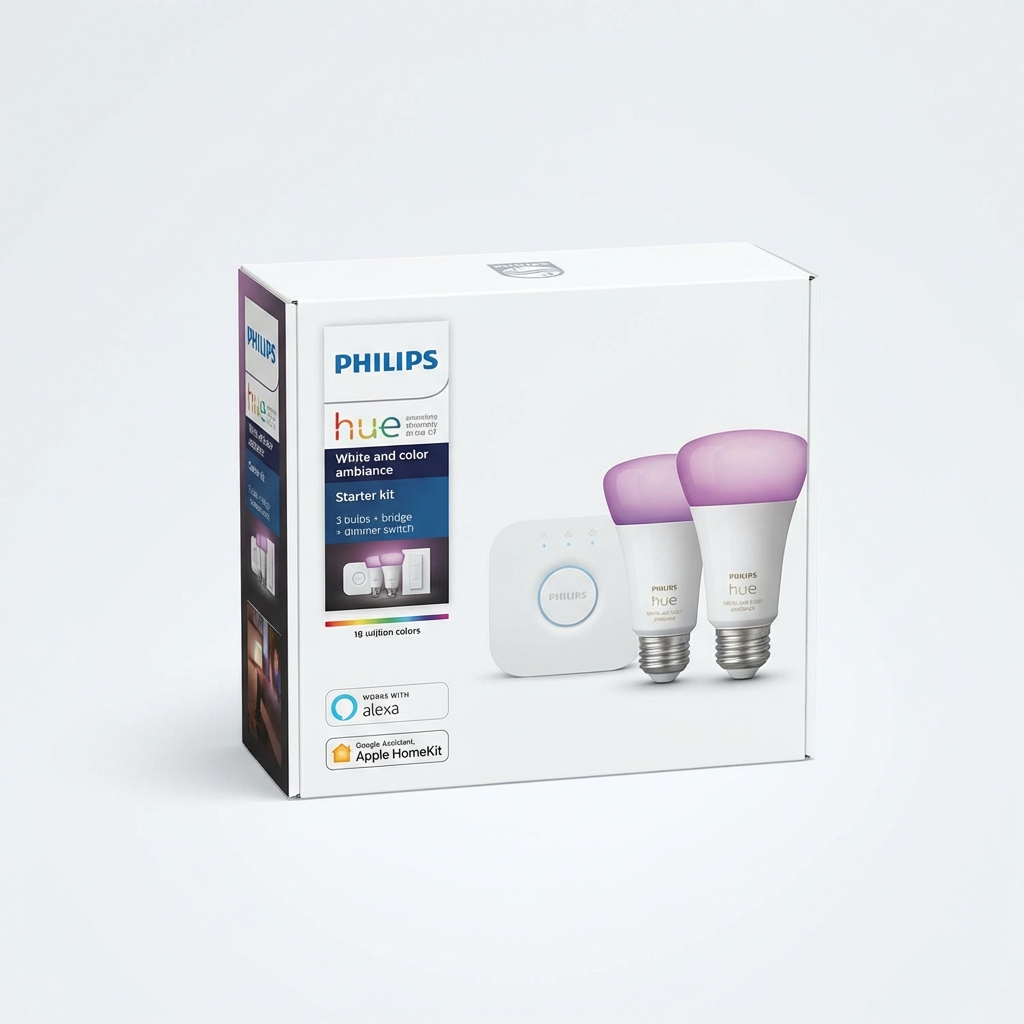
If you want the most reliable, easiest-to-use system that just works, Philips Hue remains the best choice for seniors. Their app comes with pre-set scenes like "Energize" and "Relax" that are perfect for circadian rhythms. They are incredibly reliable and last for years.
Check Price on Amazon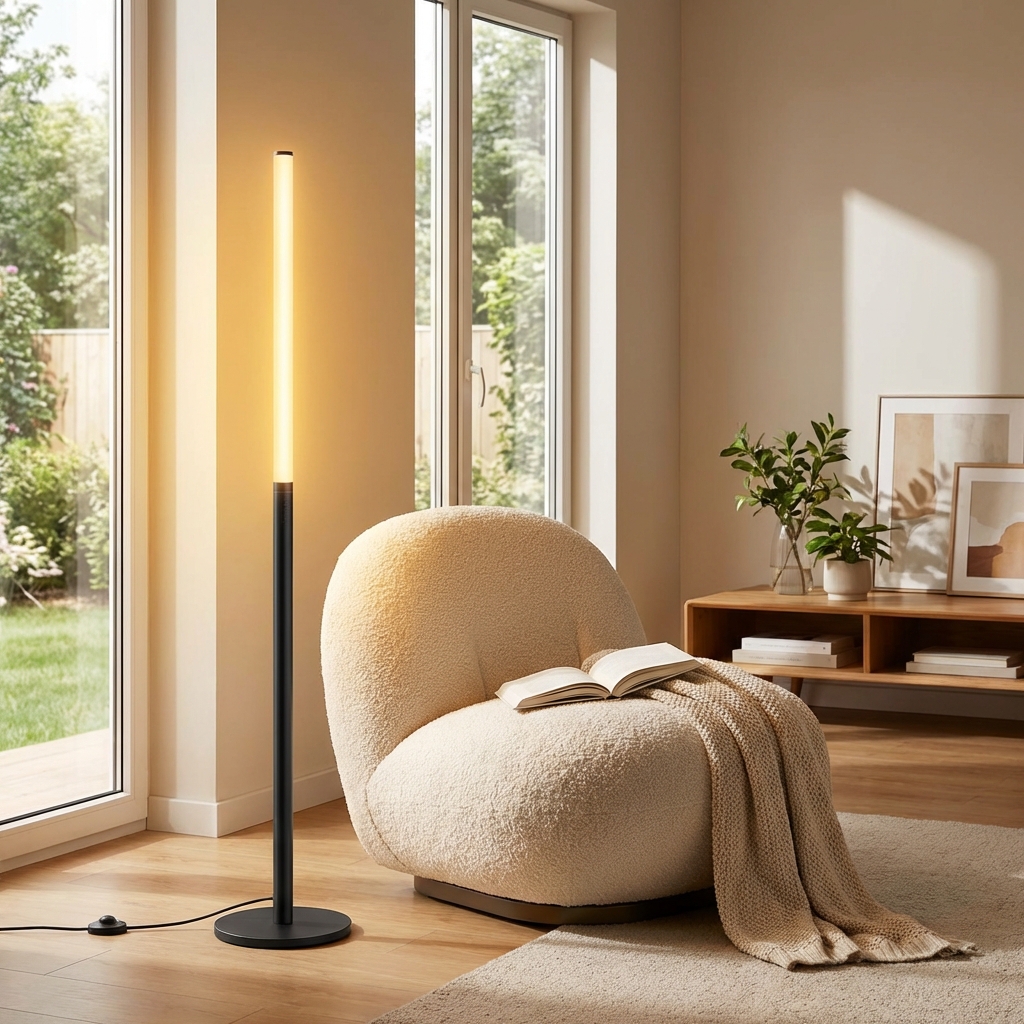
Sometimes you don't want to change lightbulbs in ceiling fixtures. A great alternative is a dedicated floor lamp that provides massive amounts of "healthy light" for the main room you sit in. This Govee lamp is sleek, very bright when it needs to be in the morning, and provides beautiful, soft warm light in the evening.
Check Price on Amazon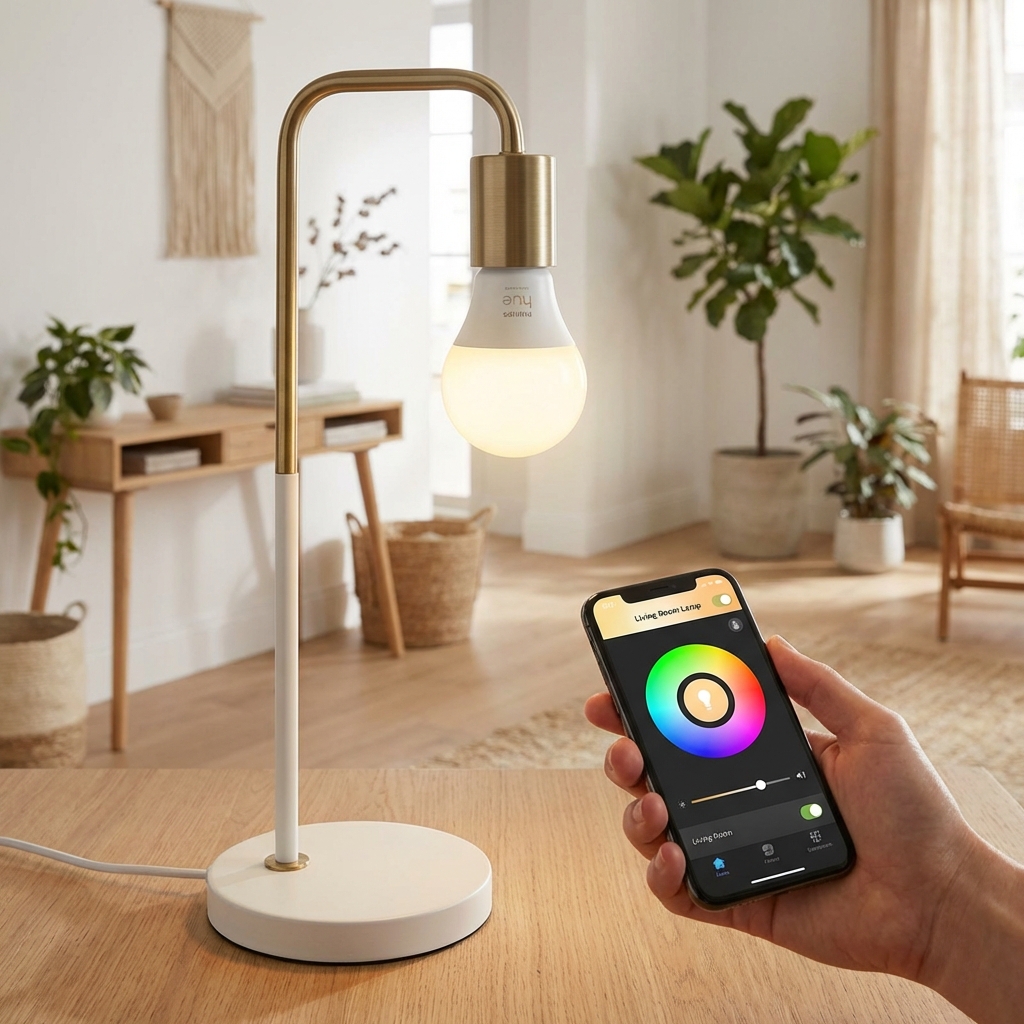
In 2026, you don't need to spend a fortune to get good smart lights. These bulbs use the new "Matter" standard, meaning they connect easily to Alexa, Google, or Apple devices. They offer excellent color ranges from crisp white to warm amber at a fraction of the price of premium brands.
Check Price on AmazonConclusion: A Brighter Outlook
Aging in place comfortably isn't just about installing grab bars in the shower. It’s about ensuring your environment supports your biology.
By making a simple switch to lighting that understands the time of day, you aren't just buying a gadget. You are giving your body the signals it needs to rest deeply and live brightly. You deserve a good night's sleep; sometimes, you just need the right light to find it.