One of the quietest dangers for seniors living alone is extreme temperature. In winter, a boiler failure can lead to freezing pipes and hypothermia overnight. In summer, a broken A/C unit can cause rapid heat exhaustion.
Remote temperature monitoring is a simple, affordable technology that acts as a "check engine light" for the home, alerting caregivers instantly if conditions become unsafe.
How It Works
You place a small sensor (or use a smart thermostat) in the senior's home. It connects to Wi-Fi. You download an app on your phone. If the temperature drops below 50°F or rises above 85°F (you set the limits), your phone buzzes.
Option 1: Smart Thermostats (Best All-In-One)
If the home has central heating/cooling, installing a Smart Thermostat like Ecobee or Nest is the best solution. It allows you to not only see the temperature but adjust it remotely.
- Scenario: You notice mom's house is 62°F. You call her, she says she forgot to turn the heat up. You open the app and set it to 70°F for her instantly.
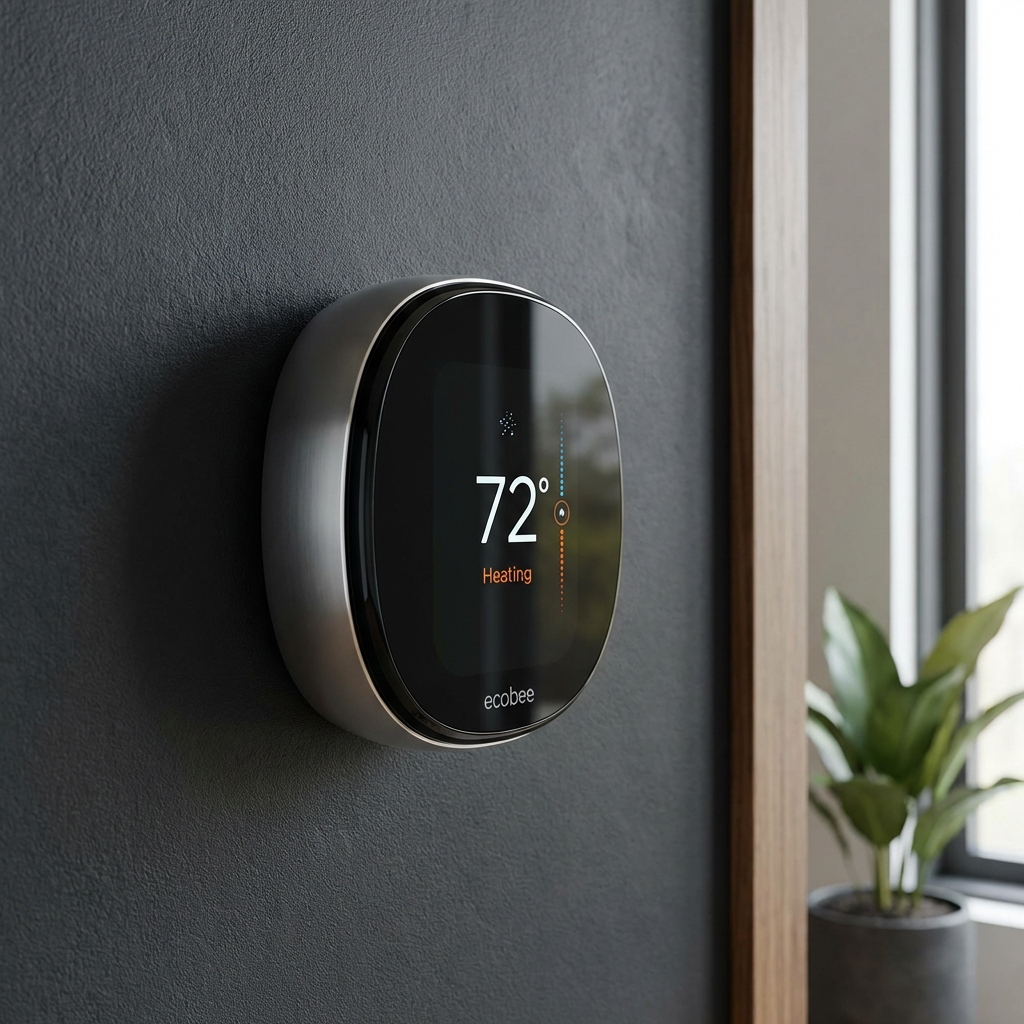
Ecobee Smart Thermostat Premium
Includes a separate SmartSensor you can place in the room they actually use (like the living room), ensuring that specific area is comfortable, not just the hallway.
View on Amazon ➜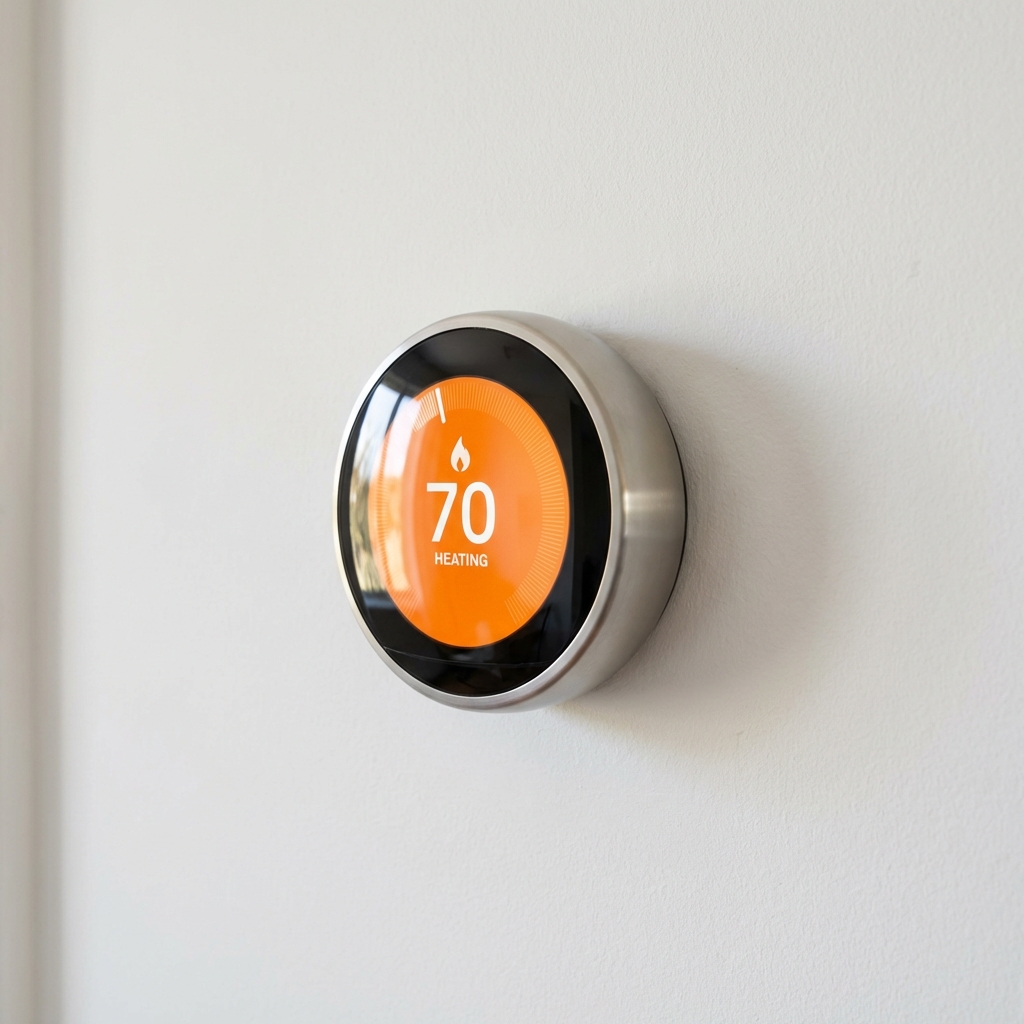
Google Nest Learning Thermostat
The "Farsight" display is huge and easy to read from across the room. The app is incredibly intuitive for caregivers to check status at a glance.
View on Amazon ➜Option 2: Dedicated Temp Sensors (Cheaper & Easier)
If you don't want to replace the entire thermostat, or if the home uses radiators/window A/C units, buy a standalone sensor. These are small boxes that sit on a shelf.
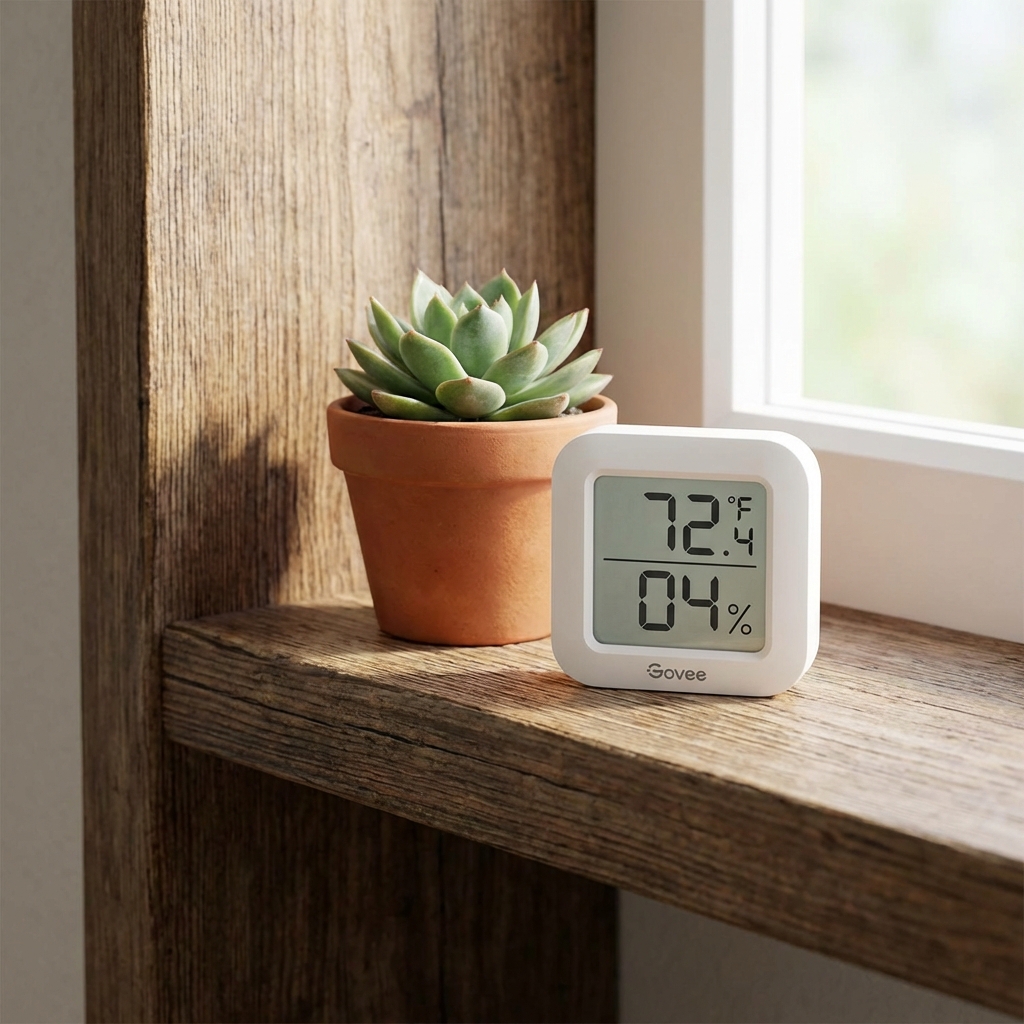
Top Pick: Govee Wi-Fi Thermometer
Simple, effective, and cheap. It connects to Wi-Fi and tracks temp/humidity.
- Feature: Custom alerts (e.g., "Alert me if temp > 80°F")
- Pros: No installation required (battery powered).
- Cons: Cannot control the heat, only monitors it.
Where to Place Sensors
- Living Room: The main living space where they spend the day.
- Bedroom: Critical for sleeping safety.
- Basement (Optional): To specifically monitor for freezing pipes in winter.
Conclusion
For less than $50 (for a sensor) or $150 (for a thermostat), you can eliminate the worry of "Is the heat working?" forever. It is one of the highest-value upgrades you can make for an aging-in-place home.