Creating a home safety plan for an older adult does not need to be complicated, but it does need to be thorough, especially when one in four older adults falls each year and many of those falls happen at home. In this guide, we walk you through a clear, step‑by‑step process to design a realistic safety plan that fits your family, your home, and your loved one’s abilities.
Key Takeaways
| Question | Short Answer |
|---|---|
| 1. What is a home safety plan for elderly? | A simple written plan that identifies risks, sets daily safety routines, and lists devices, contacts, and steps to follow in an emergency for an older adult living at home. |
| 2. Where should I start when making a plan? | Start with a basic walk‑through of the home and list the main risks, such as fall hazards, poor lighting, and lack of emergency alert options. Our emergency preparedness checklist can help organize this. |
| 3. How can I reduce fall risk at home? | Combine simple changes like clearing clutter and securing rugs with tools such as motion lights and fall detection devices that can call for help quickly. |
| 4. Do seniors living alone really need emergency alert devices? | For many, yes. Devices with simple SOS buttons or automatic alerts improve response time. We explain how they work in our guide Do Emergency Alert Devices Really Work? |
| 5. What role does lighting play in a safety plan? | Good lighting is one of the easiest ways to prevent falls, especially at night. Our smart lighting for fall prevention guide shows practical placements and set‑ups. |
| 6. Can voice assistants really help with home safety? | Yes, if chosen and set up correctly. They can place calls, control lights, and give reminders without any screens. See our overview of voice assistants for seniors living alone. |
| 7. Is a full smart home required? | No. A good home safety plan can start with a few easy devices, like a basic emergency alert button and a couple of motion lights, then expand over time. |
1. What Is A Home Safety Plan For Elderly And Why It Matters
A home safety plan is a clear, written guide that explains how an older adult will stay safe at home, what devices support them, and what everyone should do if something goes wrong. It is not only for major emergencies, it also covers daily routines that quietly reduce risk every day.
A solid plan usually includes fall prevention steps, basic home security, communication tools, and an emergency checklist. It should be easy to read, kept in a visible place, and shared with family or caregivers so everyone knows the same steps.
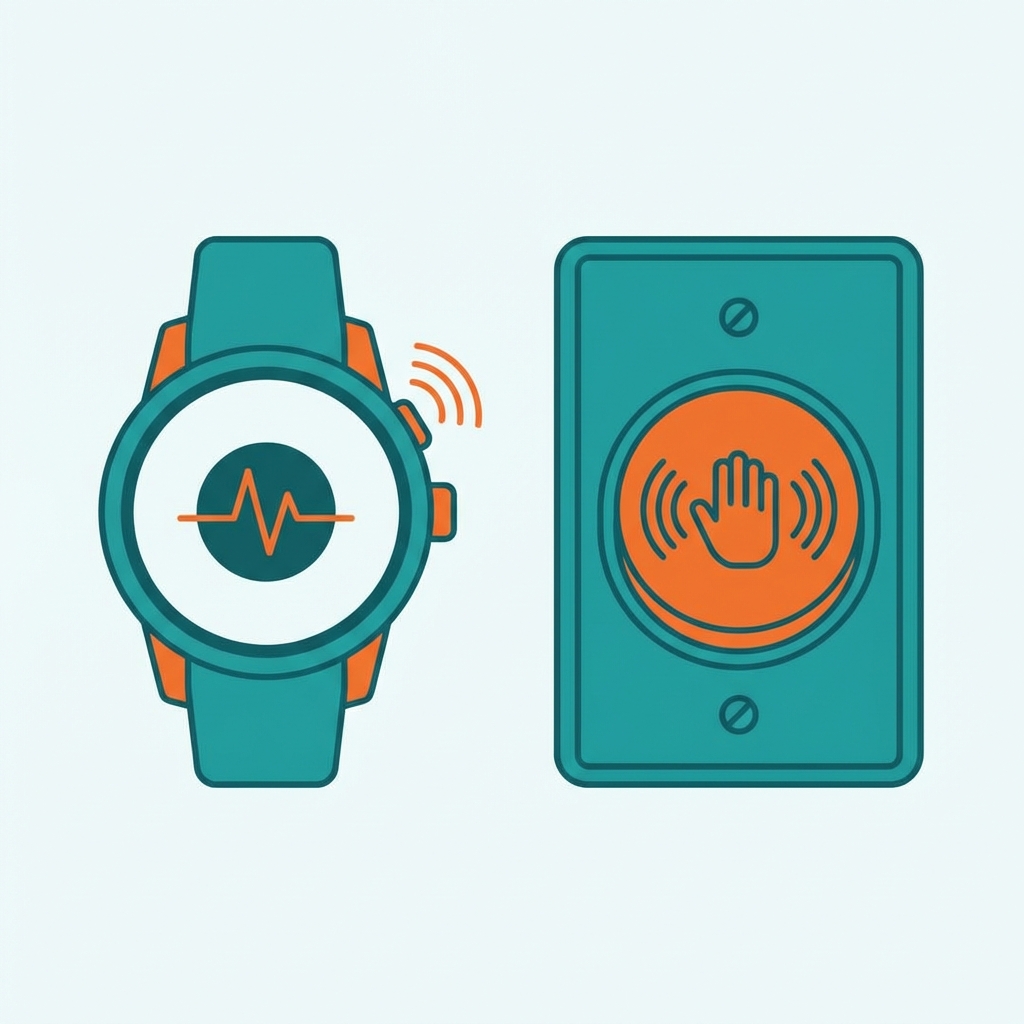
We always recommend thinking of technology as a support to the plan, not the entire plan itself. Simple devices can make it much easier to carry out what is written on paper, without adding stress or complexity for the senior.
2. Start With A Room‑By‑Room Home Safety Assessment
Before buying any devices, walk through the home with a notebook and, if possible, with the older adult. Focus on how they actually move, what they reach for, and where they hesitate or feel unsteady.
List obvious hazards in each room, such as loose rugs, cords on the floor, dim hallways, or difficult door locks. Pay special attention to the bathroom, front door, stairs, bedroom, and the path from bed to bathroom at night.
- Bathroom: look for slippery floors, lack of grab bars, and poor night‑time lighting.
- Kitchen: check for cluttered walkways, hard‑to‑reach items, and unsafe step stools.
- Bedroom: ensure a clear path to the door and easy access to a phone or alert device.
- Hallways and stairs: look for uneven surfaces and dark corners that could hide trip hazards.
Use your notes to decide where smart safety devices, better lighting, or simple furniture changes would have the biggest impact. This turns a vague goal, like “make the home safer”, into specific actions you can schedule.
3. Make Fall Prevention The Foundation Of The Plan
Because falls are so common and often serious, any home safety plan for elderly adults should treat fall prevention as a core section. This means reducing both the chance of a fall and the time it takes to get help if a fall happens.
Start with very simple changes, like removing loose rugs, taping down cords, adding non‑slip mats in the bathroom, and keeping often‑used items at waist height. Then, add tools that actively watch for falls or make it easier to call for help.
Using Fall Detection Devices As A Safety Net
Fall detection devices can be a key part of the plan for seniors living alone. Options range from basic wearables to smartwatches with automatic detection and GPS.
On our fall detection guide, typical products include a Smartwatch for Elderly with Fall Detection at £59 and a GPS Tracker for Elderly with Fall Alarm at £60. There are also more advanced options like a GPS Personal SOS Alarm for Elderly for £135, plus budget‑friendly systems such as CallToU Alarms for £22 and the UTTASU Smart Watch GPS Tracking for £32.
Explain in your plan who will wear which device, when they will wear it, and who gets notified in an emergency. For example, “Mom wears the fall‑detection watch at all times, alerts go to daughter’s phone and neighbor’s phone”.
A practical, five-step guide to building a home safety plan for elderly residents.
4. Plan For Fast Help With Emergency Alert Devices
Even in a well‑set‑up home, emergencies can happen, so the safety plan should clearly describe how the senior calls for help and who responds. Emergency alert devices keep this simple with large buttons, loud alerts, and straightforward instructions.
Common types include wearable SOS buttons, plug‑in alarms that ring through the home, and wireless caregiver pagers. These do not need screens or apps, which makes them more comfortable for many older adults.
Choosing Easy Emergency Alert Devices
On our emergency alert devices guide, we highlight simple solutions such as a Wireless Personal Emergency Alarm for Elderly at $21.99 and compact Personal Alarms for Elderly at $18.99. Devices like these fit well into a safety plan because you can clearly describe when and how to use them.
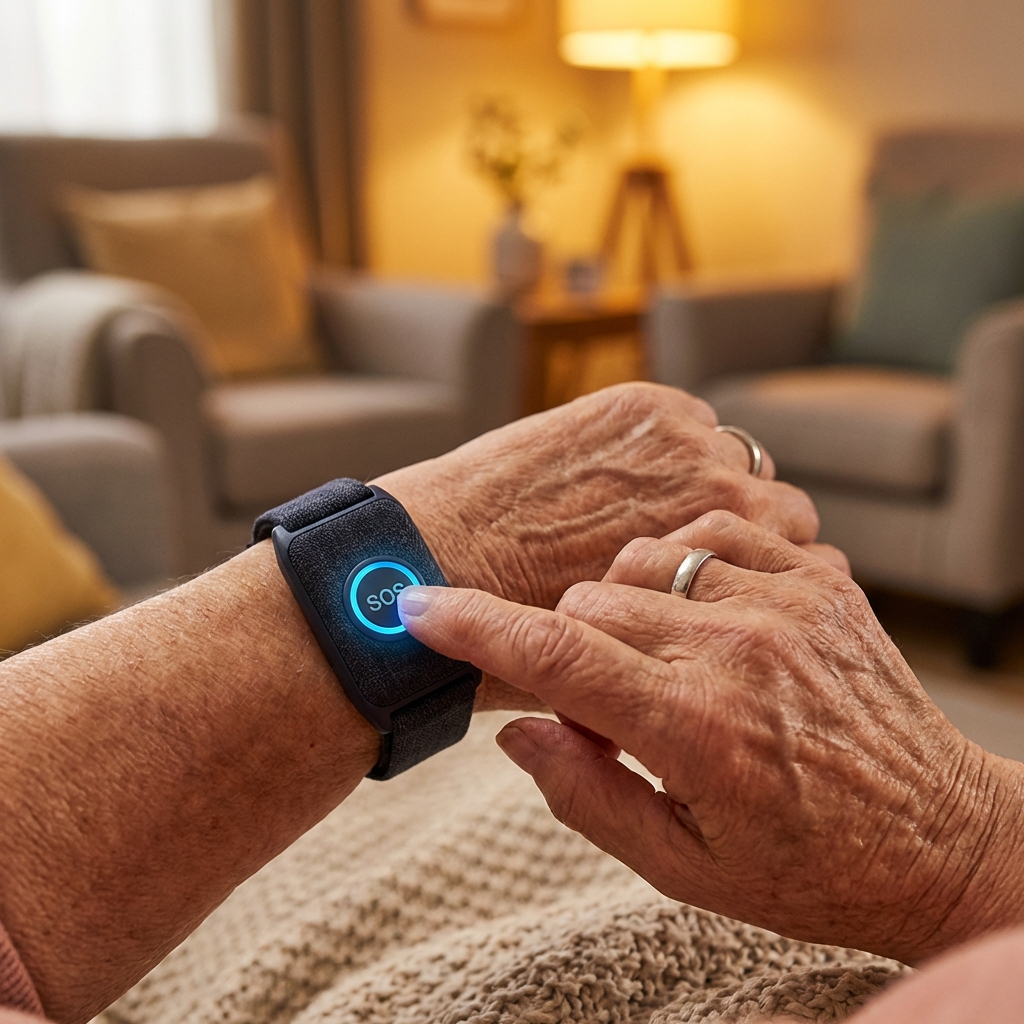
For example, your plan might say: “Wear the pendant during the day. If you feel unwell or fall, press the large button. The base unit alerts the caregiver pager in the daughter’s bedroom”. Write this down in plain language and review it together.
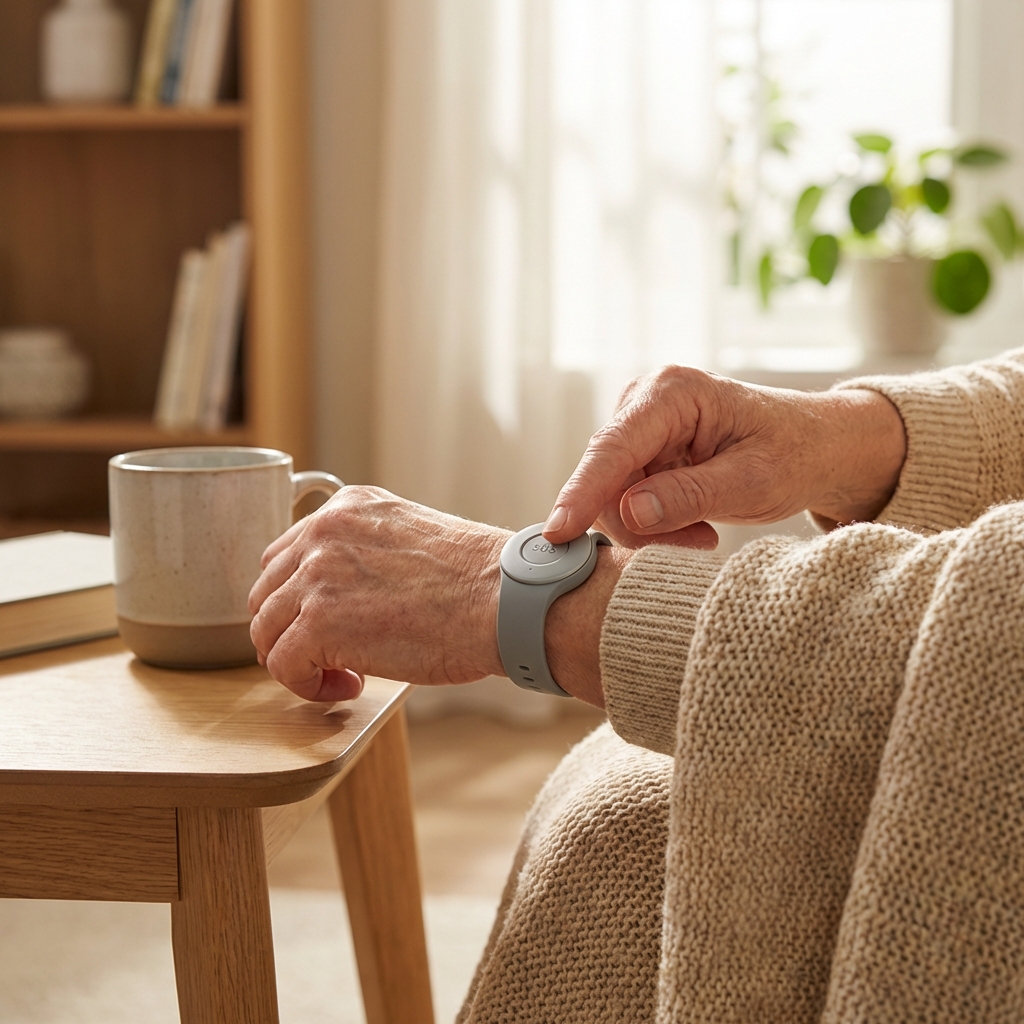
You can also note regular testing in the plan, such as pressing the button once a month with a family member to confirm it still works. This keeps the system familiar instead of “for emergencies only”.
5. Use Smart Lighting To Prevent Night‑Time Falls
Poor lighting is one of the most avoidable risks in many homes, especially at night when older adults may be tired or disoriented. A home safety plan should include clear steps to improve lighting in hallways, bathrooms, bedrooms, and entrances.
Smart lighting helps by turning lights on automatically when motion is detected or at set times. This removes the need to reach for a switch in the dark and can guide a safe path from bed to bathroom.
Where To Place Lights For Maximum Safety
Our smart lighting guide explains in detail why lighting is a major safety issue and how to plan placements that reduce trips and stumbles. In your safety plan, mark specific areas such as “motion light outside the bathroom door” or “night‑light near bedroom door”.
You can also connect lighting to other parts of the plan, such as “voice assistant turns on hallway lights at 10 pm” or “front‑door light comes on at dusk for easier package collection”. Small, automatic actions like this can reduce risks without adding work.
6. Improve Home Security Without Adding Complexity
A thorough home safety plan does not only think about falls. It also addresses security issues such as strangers at the door, scams, and difficulty reaching locks quickly.
Senior‑friendly home security focuses on ease of use rather than complicated systems. Common tools include simple cameras at entry points, smart doorbells that show who is outside, and door locks that can be checked or controlled remotely by a trusted family member.
Security Steps To Add To The Plan
In our home security guide for seniors living alone, we outline the most helpful devices and where to place them. When you create your plan, translate those ideas into clear daily habits.
Examples might include:
- “Use the peephole or camera before opening the door to anyone.”
- “If unsure about a visitor, do not open the door, call a family member instead.”
- “Keep doors and windows locked at night, daughter checks camera alerts remotely.”
These instructions reassure the senior that they do not need to make quick decisions alone at the door. Technology quietly supports their safety while they keep control over who enters the home.
7. Add Voice Assistants And Simple Routines To Support Daily Safety
Voice assistants can become a quiet backbone of a home safety plan because they make it easier to control devices, communicate, and remember important tasks. This is especially helpful for seniors who do not want to deal with screens.
With a simple command, a senior can turn on lights, adjust temperature, or call a family member. Reminders can support daily safety routines such as locking doors in the evening or taking medication on time.
How To Integrate Voice Assistants Into The Plan
In our voice assistants guide, we focus on features that matter for older adults, such as clear audio, simple commands, and compatibility with lighting and other devices. When you write your plan, specify which phrases to use and what they trigger.
For example:
- “Say ‘Call John’ to start an audio call with your son if you feel unwell.”
- “Say ‘Turn on hallway lights’ before getting up during the night.”
- “Automatic reminder at 9 pm: check doors are locked and emergency pendant is nearby.”
Keep the list of useful phrases short and print it next to the device. This reduces confusion and helps the senior feel confident using voice control, even if they are not comfortable with other technology.
8. Build A Clear Emergency Preparedness Section
An effective home safety plan for elderly adults always includes a dedicated emergency section. This part explains what to do in different situations, such as a fall, power outage, fire, or feeling suddenly unwell.
Keep this section very practical. Use large print, bullet points, and short sentences. The senior and caregivers should both be able to follow it when under stress.
What To Include In The Emergency Section
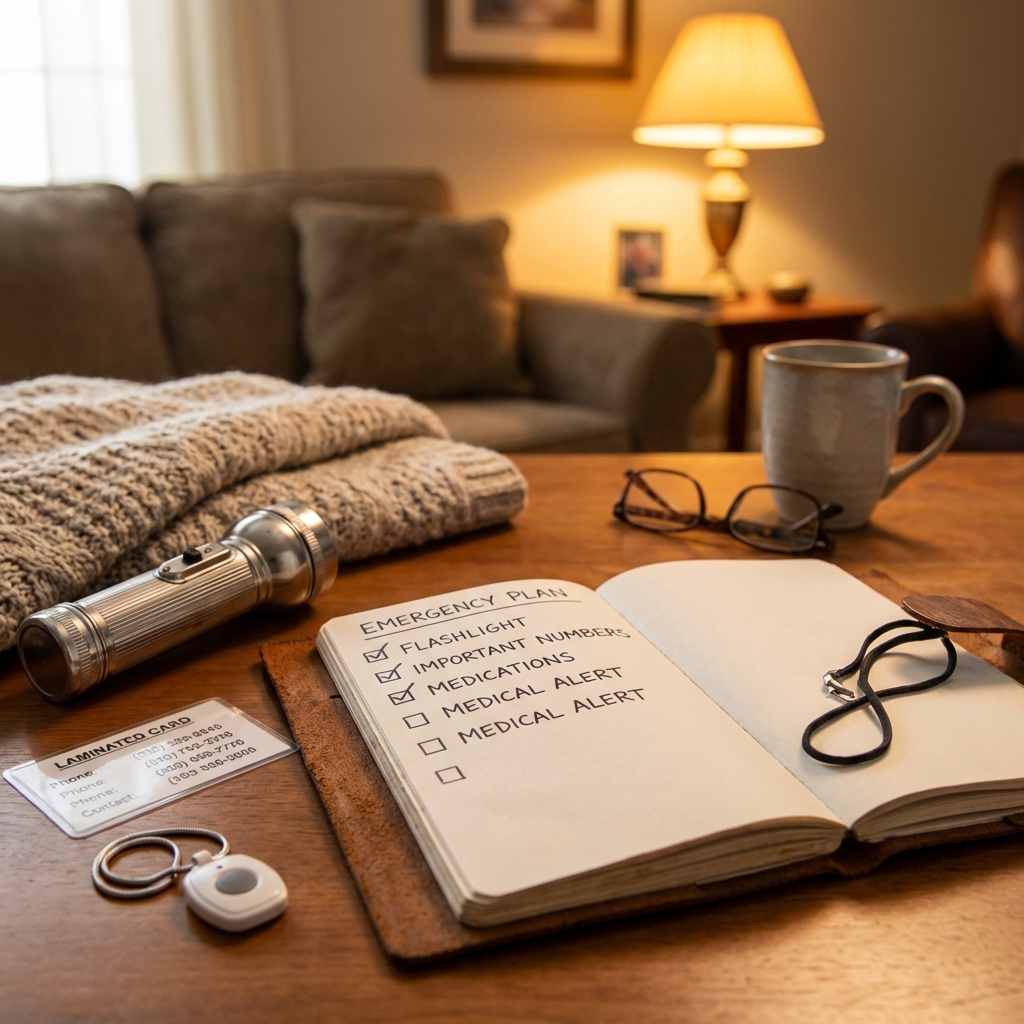
Use our emergency preparedness checklist as a model and adapt it to your home. At minimum, include:
- Up‑to‑date emergency contacts, including family, neighbors, doctor, and local services.
- Instructions for when to press the emergency button or use the fall‑detection device.
- A simple script for calling 911 or local emergency numbers if the senior can use the phone.
- Location of important items such as medication lists and a spare house key.
You might also add non‑tech steps such as “keep a flashlight on the bedside table” or “store a small bottle of water near the bed”. These small, planned details can make emergencies less overwhelming.
9. Decide Roles, Responsibilities, And Communication
A home safety plan works best when everyone knows their role. This includes the senior, family members, neighbors, and any professional caregivers.
Start by listing who is in the safety circle, with phone numbers next to each name. Then, define what each person is responsible for, using clear, realistic tasks.
Simple Role Examples To Include
Here are sample responsibilities you can adapt:
- Senior: wears fall‑detection device during the day, tests alert button on the first of each month.
- Daughter: receives alert notifications, checks in by phone daily at a set time.
- Neighbor: holds spare key, agrees to respond if called by daughter or if an alert indicates help is needed and the daughter cannot reach the home quickly.
You can also set up a simple communication routine such as a daily check‑in message. This keeps everyone connected and can catch small issues before they become emergencies.
10. Keep The Plan Simple, Visible, And Updated
A home safety plan is a living document, not a one‑time project. As health, the home layout, or technology changes, the plan should be reviewed and updated.
Print the plan in large, clear text and keep it in at least two places, such as on the refrigerator and near the main phone. Give copies to family members or caregivers so everyone is working from the same information.
When To Review And Adjust The Plan
You might schedule a review every 6 or 12 months, or after any major event like a fall, hospital stay, or move. Use that time to ask what feels helpful, what feels confusing, and where there are gaps.
During each review, quickly test key devices such as fall detectors and emergency buttons. Confirm phone numbers are current and that everyone still agrees to their roles in the plan.
Conclusion
Learning how to create a home safety plan for elderly family members is one of the most practical ways to support aging in place with confidence. By combining a simple written plan, basic home changes, and a few easy‑to‑use devices, you can reduce everyday risks and make sure help is always close.
We design our guides to keep this process clear, compassionate, and manageable, even if you are just starting with technology. Begin with one or two steps from this article, such as a home walk‑through and a basic emergency alert device, then build your plan from there at a pace that feels comfortable for everyone involved.